SOURCE: Agg-Net | June 16, 2026
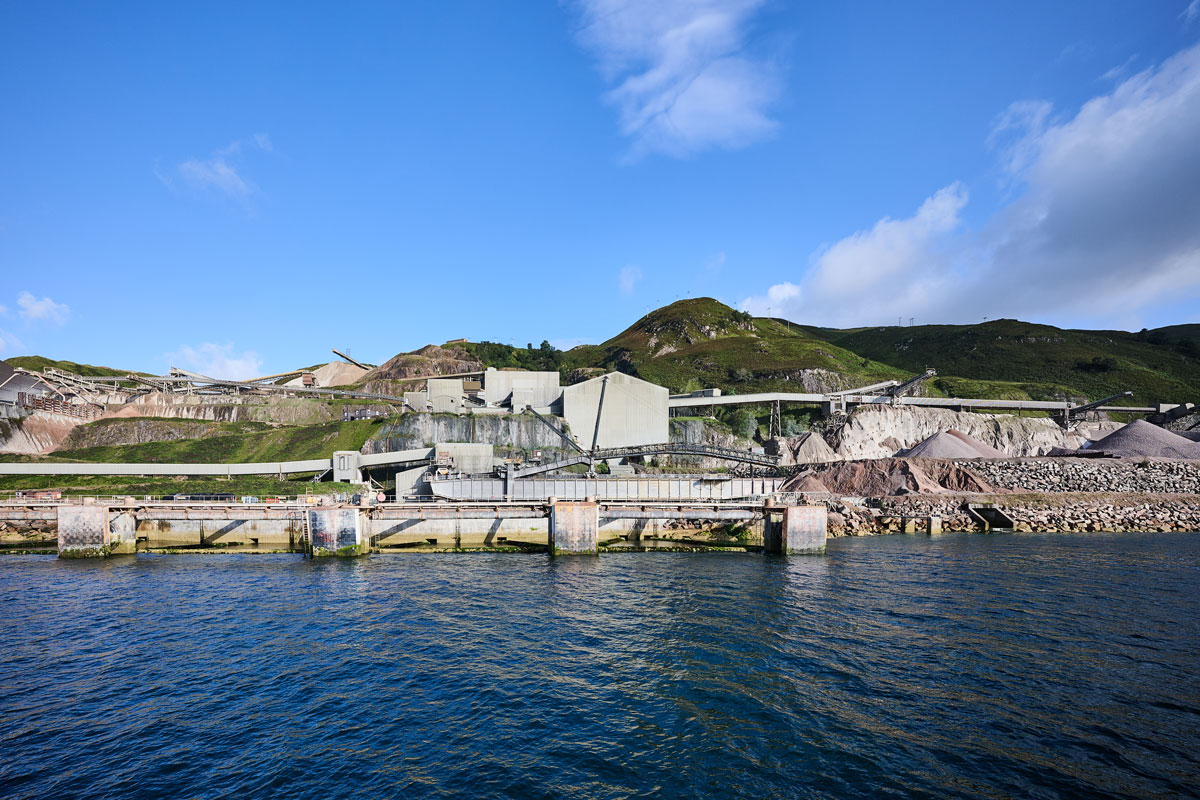
Glensanda is located north shore of Loch Linnhe near Kingairloch – a remote and environmentally under-recorded part of Scotland
Holcim UK flagship quarry recognized for long-term commitment to biodiversity enhancement and wildlife
HOLCIM UK’s Glensanda quarry site, Europe’s largest hard rock quarry, has achieved The Wildlife Trusts’ Biodiversity Benchmark accreditation in recognition of its long-term commitment to biodiversity enhancement and sustainable land management.
Located on the north shore of Loch Linnhe near Kingairloch, the 2,630ha estate encompasses a diverse range of habitats, including native woodland, bogland, open ground and coastal environments. The site can produce more than nine million tonnes of granite annually for customers across the UK, Europe and international markets.
Glensanda is one of just 51 sites across the UK to hold Biodiversity Benchmark accreditation and, at 2,630ha, is the largest accredited site in the country. The certification recognizes organizations that demonstrate continual improvement in biodiversity management while supporting wider sustainability and climate objectives.
The accreditation reflects the implementation of Glensanda’s Biodiversity Action Plan (BAP), which sets a series of conservation priorities and targets through to 2030.
Developed using more than 15 years of ecological surveys and monitoring data, the plan focuses on protecting and enhancing priority habitats and species identified under Scottish and UK biodiversity frameworks, the Wildlife and Countryside Act, the RSPB’s Species of Conservation Concern, and the IUCN Red List.
A key element of the programme has been the expansion of native broadleaved woodland across the estate, with planting schemes undertaken in 2012 and 2024. The initiative is designed to support species, including the pearl-bordered fritillary, narrow-bordered bee hawkmoth and white-spotted sable moth, while also contributing to carbon sequestration and habitat connectivity.
The Glensanda estate and granite quarry is one of 51 Biodiversity Benchmark accredited sites across the UK
The work is particularly significant given Glensanda’s proximity to designated Sites of Special Scientific Interest (SSSIs) and areas of ancient woodland, reinforcing the site’s role in supporting biodiversity alongside mineral extraction operations.
Phil Jackson, biodiversity and restoration advisor at Holcim UK, said: ‘Achieving the Biodiversity Benchmark at Glensanda demonstrates our ongoing commitment to responsible environmental stewardship. Operating within a landscape of high ecological importance brings clear obligations, and this accreditation reflects the considered planning, effective land management and sustained effort underway to safeguard and improve biodiversity alongside our operations.
‘Looking ahead, we will continue to invest in habitat enhancement and woodland creation, helping to ensure this distinctive site continues to support a diverse range of species and habitats well into the future.’
Emma Price-Thomas, head of corporate partnerships at The Wildlife Trusts, commented: ‘Achieving the Biodiversity Benchmark at Glensanda is a significant accomplishment, reflecting a long-term commitment to caring for nature in one of Scotland’s most remarkable landscapes.
‘At a time of ongoing decline in biodiversity across the UK, the work across the estate demonstrates how thoughtful land management on large-scale industrial sites can still deliver real benefits for wildlife and help to protect and restore ecosystems for future generations.
‘The Biodiversity Benchmark recognizes organizations taking practical steps to protect and improve wildlife habitats. We’re delighted to see Glensanda has maintained this rigorous standard and is one of a growing number of accredited business sites across the UK.’
The Glensanda estate’s biodiversity programme is set to gain further momentum following approval of funding for the planting of more than 50ha of additional native woodland. Complementing this work, active land management measures have been introduced to reduce grazing pressure from deer and sheep, helping to protect sensitive habitats and encourage natural regeneration.
Native woodland creation and natural regeneration are being supported through carefully managed deer populations, reducing browsing pressure on newly planted and regenerating areas. Habitat monitoring is also being undertaken to assess grazing impacts and woodland recovery, ensuring long-term benefits for biodiversity across the estate.
To comment on this story or for additional click on related button above.