SOURCE: Quarry | April 16, 2026
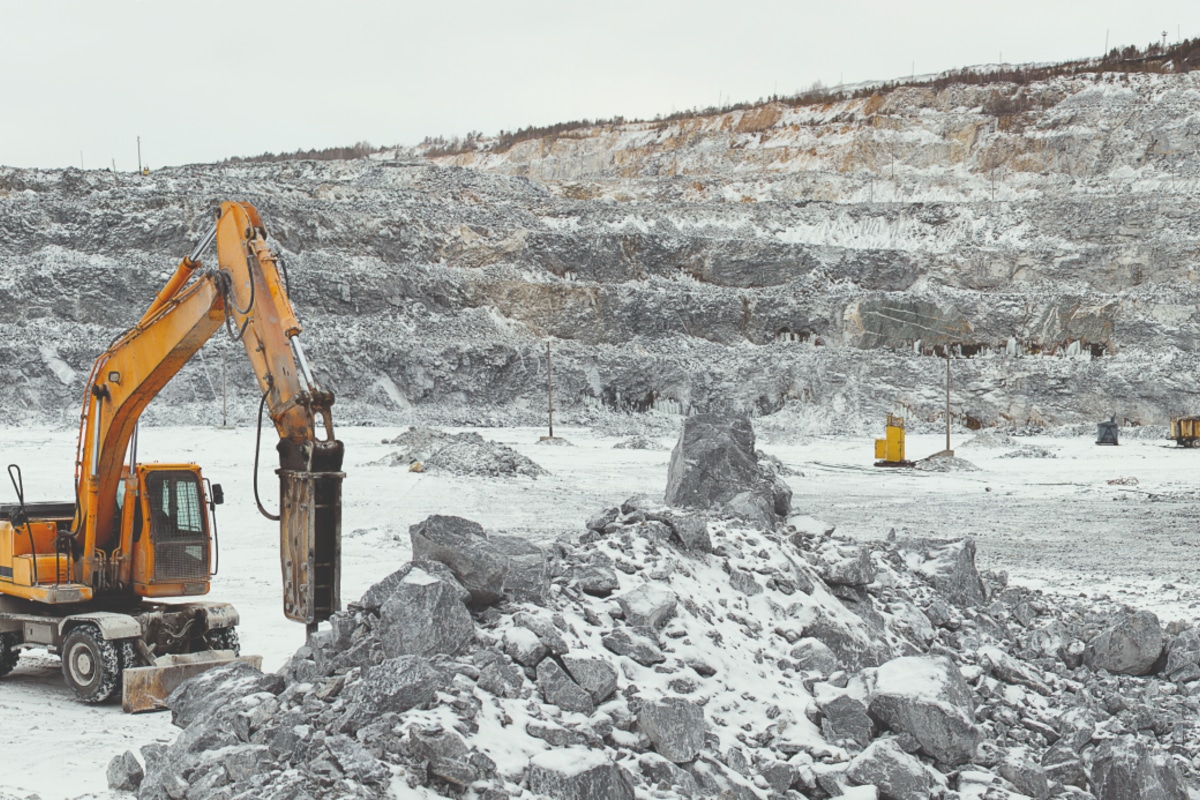
Augusta Quarry, located in the United States’ Appalachian Mountains, opened in the early 20th century to mine limestone aggregate.
Like many extraction sites across East Tennessee, it supported decades of construction activity before gradually winding down operations in the 1970s.
The Aslan Foundation, a local philanthropic organisation focused on strengthening Knoxville’s cultural assets and liveability has driven a renewed vision for the quarry.
The foundation had already demonstrated its commitment to adaptive reuse nearby. In 2008, it purchased Loghaven, a 90-acre property containing historic 1930s cabins, and in 2014 commissioned Sanders Pace Architecture to rehabilitate the structures and expand the site as an artists’ colony.
Building on that experience, Sanders Pace partnered with landscape architecture studio Port to reimagine Augusta Quarry as a safe, accessible and ecologically sensitive public space. After a multiyear planning and design effort, the revitalised quarry opened in July 2025. The design approach respects the quarry’s geological character rather than attempting to overwrite it. Towering limestone faces remain the dominant visual element, their stratified layers telling a story of sedimentation and extraction. Instead of imposing heavy new construction, the architects introduced a series of carefully placed amenity pavilions, docks and trails that appear almost as contemporary insertions within a rugged natural amphitheatre.
The pavilions are clad in weathering steel, a material choice that resonates with both the site’s industrial past and its raw geology. The steel’s oxidised surface echoes the warm tones of exposed rock while providing long-term durability in a demanding outdoor environment. Over time, the material will continue to patinate, reinforcing the sense that the structures belong to the quarry rather than sitting apart from it.
Timber decking and floating docks extend gently into the water, creating designated swimming and gathering areas that replace the previously informal and hazardous access points. Trails wind through the surrounding woodland, linking elevated vantage points with the water’s edge and guiding visitors safely through the steep terrain. The circulation strategy is subtle but deliberate, balancing freedom of exploration with clear cues about where and how to engage with the site.
From a geological perspective, the project highlights how former extraction landscapes can evolve into places of education and appreciation.
The quarry walls, once blasted and cut for aggregate, now frame a civic space where the public can observe sedimentary layers up close. The transformation underscores a broader theme relevant to the quarrying sector: post-extraction land use is not an afterthought but an opportunity.
Importantly, the revitalisation addresses safety without diminishing the site’s character. By formalising access, providing durable infrastructure and clarifying circulation, the design mitigates risk while preserving the sense of awe that made the quarry attractive in the first place. The result is neither a manicured urban park nor a fenced-off relic, but a hybrid landscape where industry, ecology and community intersect.
In Knoxville, what was once a symbol of industrial exhaustion has become a place of renewal, proving that the geological legacy of quarrying can extend well beyond the final blast.
To comment on this story or for additional details click on related button above.